Skip to content
Mapu Huni Kuin

Who Mapu is

Who Mapu is

Born in 1988 in the Kaxinawá Ashaninka do Rio Breu Indigenous Land, on the border between Acre and Peru. His grandfather named him the next spiritual leader before he was born. He became cacique in 2009. Today he is a pajé, musician, activist and actor.


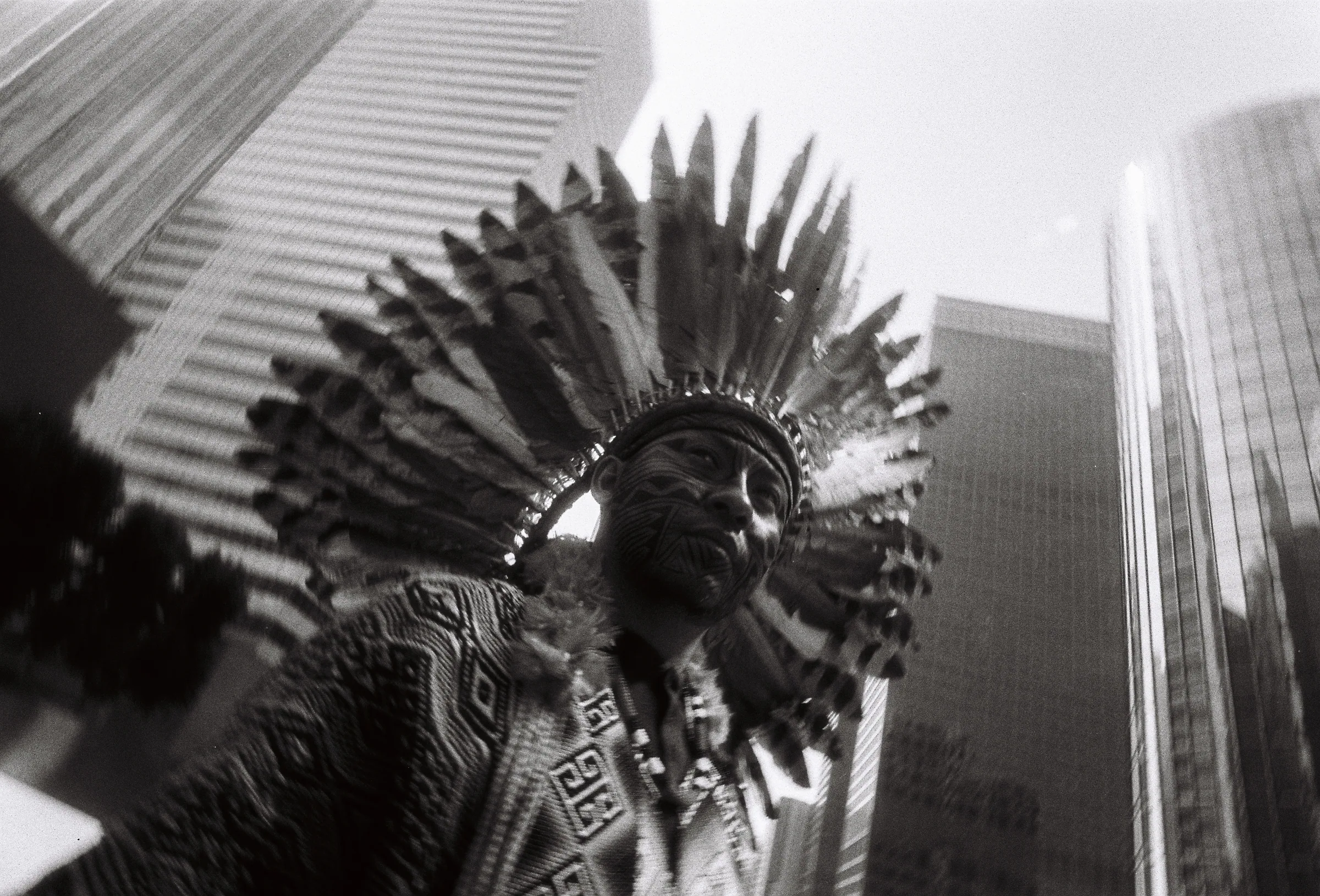
Mapu Huni Kuin in a feather headdress, seen from below, among mirrored skyscrapers
Gabriel Novis + Famke
Verified Translation
When my mother was still pregnant with me, my grandfather — then the spiritual leader of the Huni Kuin people — identified that I would be the next spiritual leader of our community. […] My grandfather began my training when I turned 6, teaching me everything he knew about the right plants for treating wounds, insect bites and snakebites. He also taught me about the sacred medicine of ayahuasca and how to connect with my ancestry. I have no formal education: my learning comes from the forest.
VEJA — Primeira Pessoa · 2023-08-05
Original (PT)

Quando minha mãe ainda estava grávida de mim, meu avô, o então líder espiritual do povo Huni Kuin, identificou que eu seria o próximo líder espiritual da nossa comunidade. […] Meu avô começou meu treinamento quando completei 6 anos, me ensinando tudo o que ele sabia sobre as plantas ideais para cuidar de feridas, picadas de insetos e cobras. Ele também me ensinou sobre a sagrada medicina da ayahuasca e como me conectar com minha ancestralidade. Não tenho educação formal: meu aprendizado vem da floresta.
Verified Translation
I slept on boats, and often did not know what I would eat. But all of it taught me not to give up.
É Pop · 2025-06-25
Original (PT)

Dormia em barco, muitas vezes não sabia o que comer. Mas aquilo tudo me ensinou a não desistir.

Timeline

  1. 1988

    Born in the Kaxinawá Ashaninka do Rio Breu Indigenous Land, on the Acre–Peru border.

    Source: raw/biografia-expandida.md

  2. 1994

    At 6 he begins training with his grandfather, then spiritual leader: medicinal plants, chants, Nixi Pae.

    Source: VEJA 2023

  3. 2009

    Becomes cacique (chief).

    Source: DOSSIE-COMPLETO.md

  4. 2012

    Leaves the village. Cruzeiro do Sul, Rio Branco, Brasília, Curitiba. Records his first prayers and posts them on YouTube.

    Source: VEJA 2023

  5. 2015

    Founds the Huwã Karu Yuxibu Centre with Mirna Rosário, on 11 hectares of his own land at km 36 of the Transacreana.

    Source: branding / dossiê

  6. 2018

    Album Kayatibu Dautibuya — sacred healing prayers. Documentary Cerimônia com Nixi Pae, by Diana Freixo.

    Source: discografia-completa.md

  7. 2021

    Global Citizen Live, broadcast from the Amazon with Alok. International Aniwa campaign for the Centre.

    Source: G1 AC, 29/09/2021

  8. 2022

    Rio2C — panel “Before the Brazil of the Crown, there is the Brazil of the Headdress”. Documentary with Maria Farinha Filmes, written by Célia Xakriabá.

    Source: Revista InFoco

  9. 2023

    Plays Raoni Guató in Terra e Paixão (Globo). Cannes, with minister Sonia Guajajara and Leonardo DiCaprio. Address at the Parliament of the World's Religions. Acquires a 2,450 ha reserve.

    Source: VEJA 2023; dossiê

  10. 2024

    Album Hiri Shubu Keneya Bari Bay, 12 tracks in Hãtxa Kuî (Som Nativo Collection). Latin Grammy in Miami and Global Citizen at Central Park, New York. 11,000 seedlings planted.

    Source: G1, Billboard, Instituto Alok

  11. 2025

    Piti Kuin restaurant — the first traditional Huni Kuin restaurant in Rio Branco. Txai Amazônia seminar. Student housing announced.

    Source: É Pop, 25/06/2025

  12. 2026

    Single Mensageiro Sai Yama, with The Dós. Ceremonies in Curitiba and Florianópolis.

    Source: Spotify; @mapuhunikuin

Lineage

Grandfather
Pajé and spiritual leader of the people. He named Mapu his successor while his mother was still pregnant, and began his training at age 6. He died at 97.
Father — Isaka Huni Kuin
Pajé. He still leads ceremonies alongside his son; he appears in Diana Freixo’s 2018 documentary and in the 2026 ceremonies.
Clans
Jaguar and deer.
Children
Eleven — nine biological and two adopted.

The Huni Kuin people

The Huni Kuin live in the western Amazon, in Acre and southern Amazonas, and across the border in Peru. The language is Hãtxa Kuî, of the Pano family.

On population, sources differ according to geographic scope: the Instituto Socioambiental records around 7,535 people in Brazil; the dossier used in this research cites around 16,000 across Acre and Peru. Both figures appear here because they measure different things.

About the name

Huni Kuin means “true people” — it is how the people name themselves. The term Kaxinawá, still circulating in the press and in official documents, is an exonym with a pejorative charge and should not be used. The language is Hãtxa Kuî, of the Pano family.

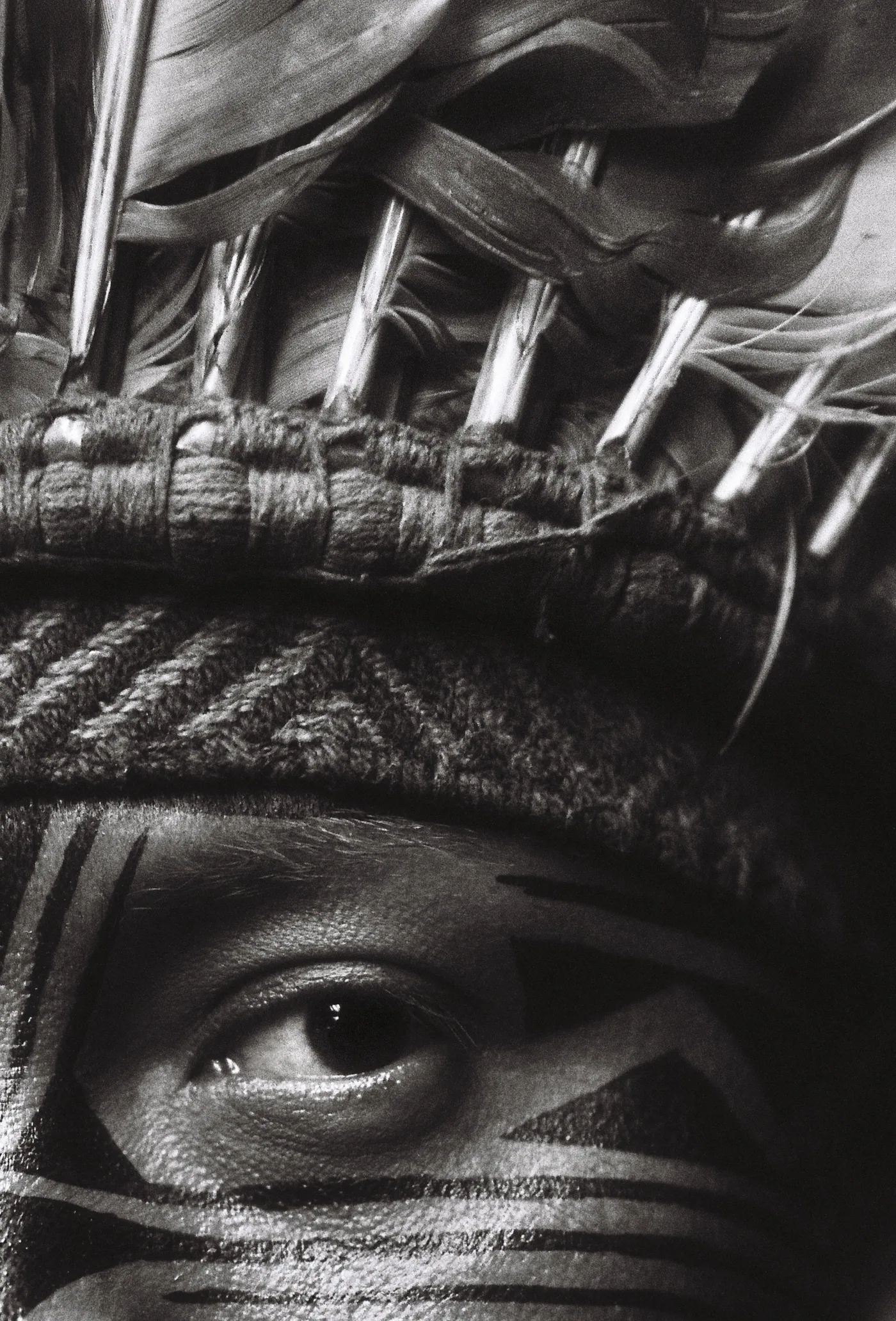
Close-up of Mapu’s eye with body paint and headdress
Gabriel Novis + Famke
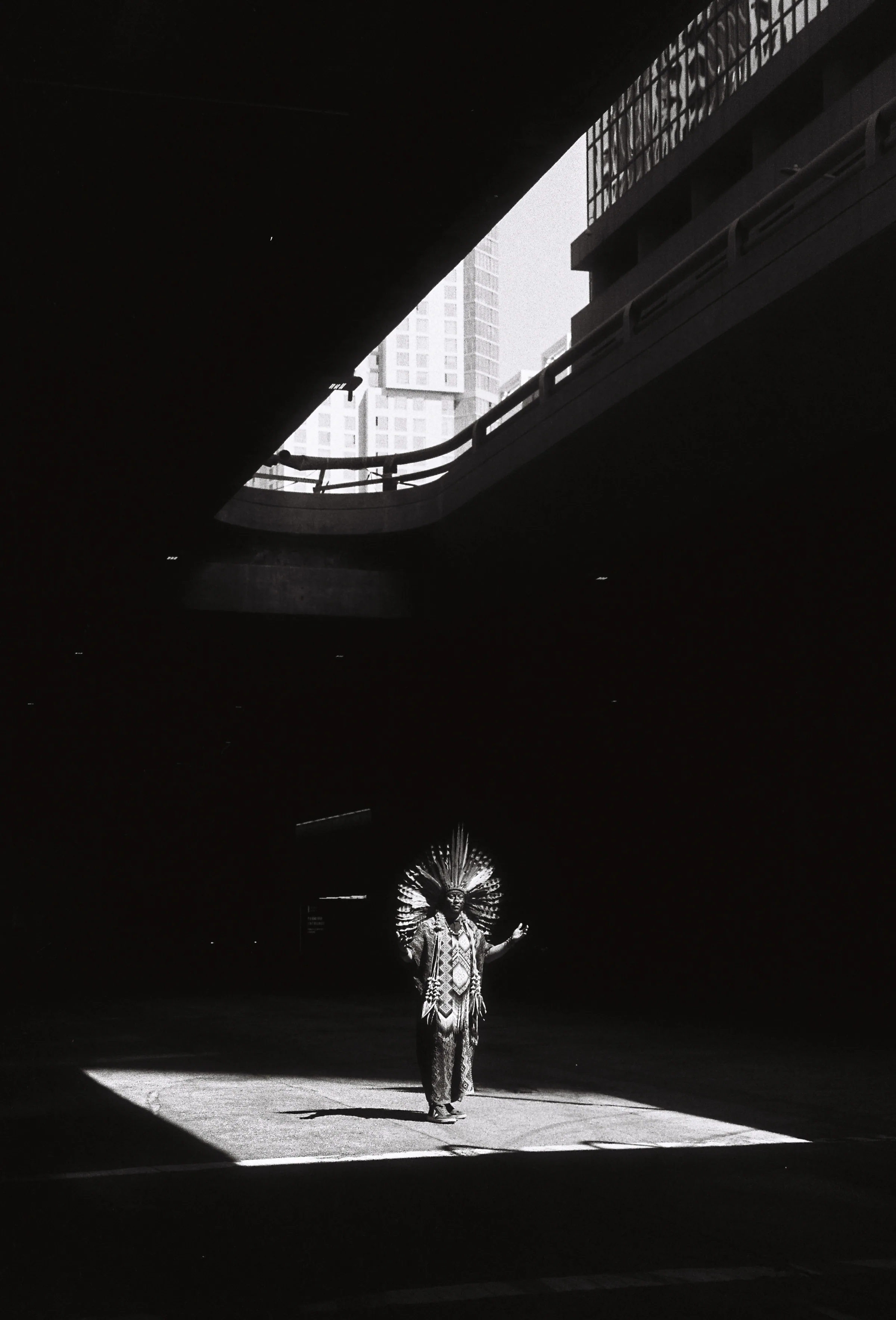
Mapu in a headdress in a shaft of light under a concrete overpass
Gabriel Novis + Famke
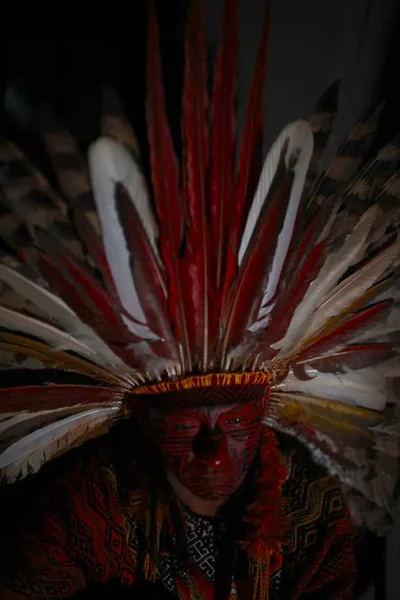
Portrait of Mapu with a headdress of red and white feathers
Bryan Myr