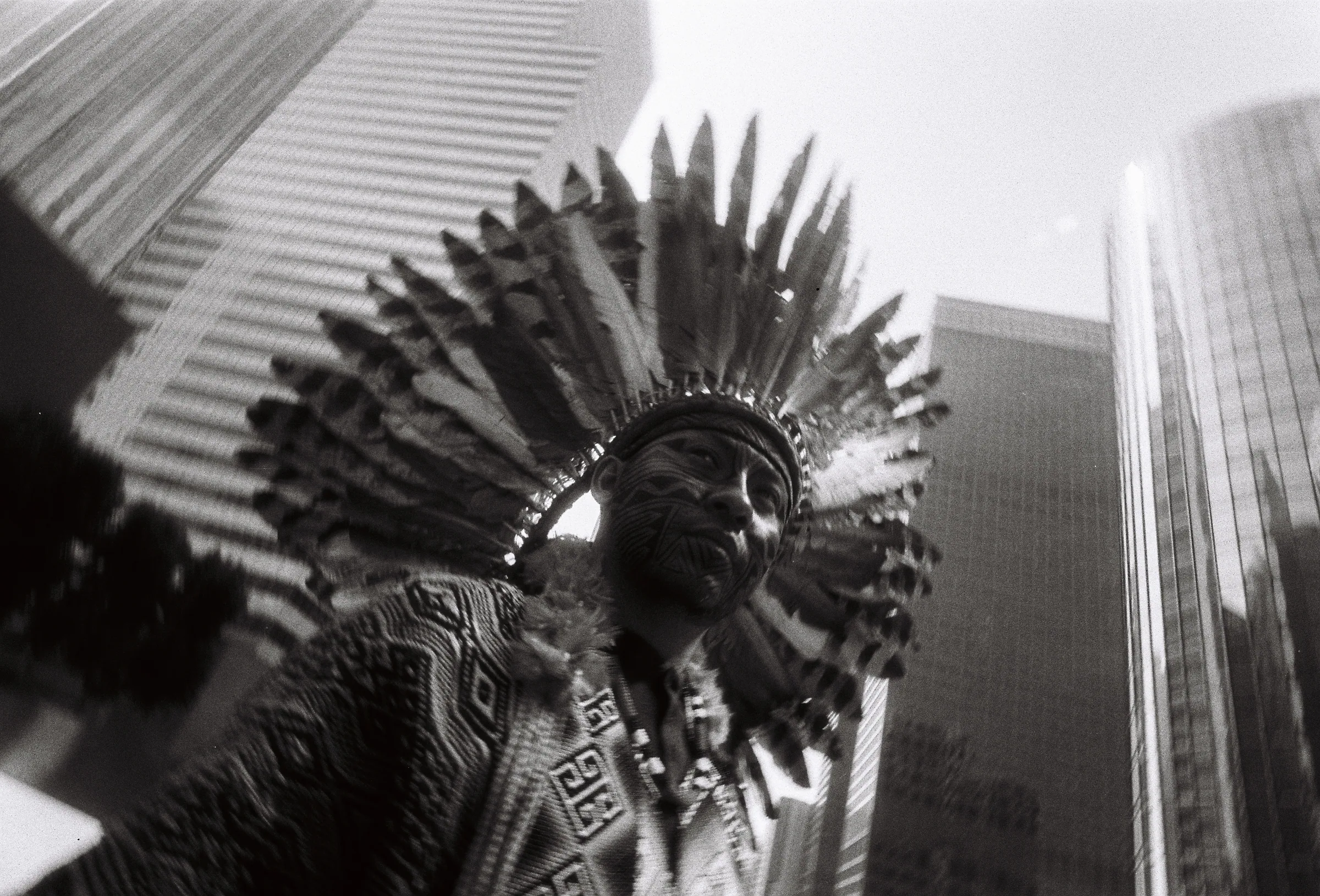
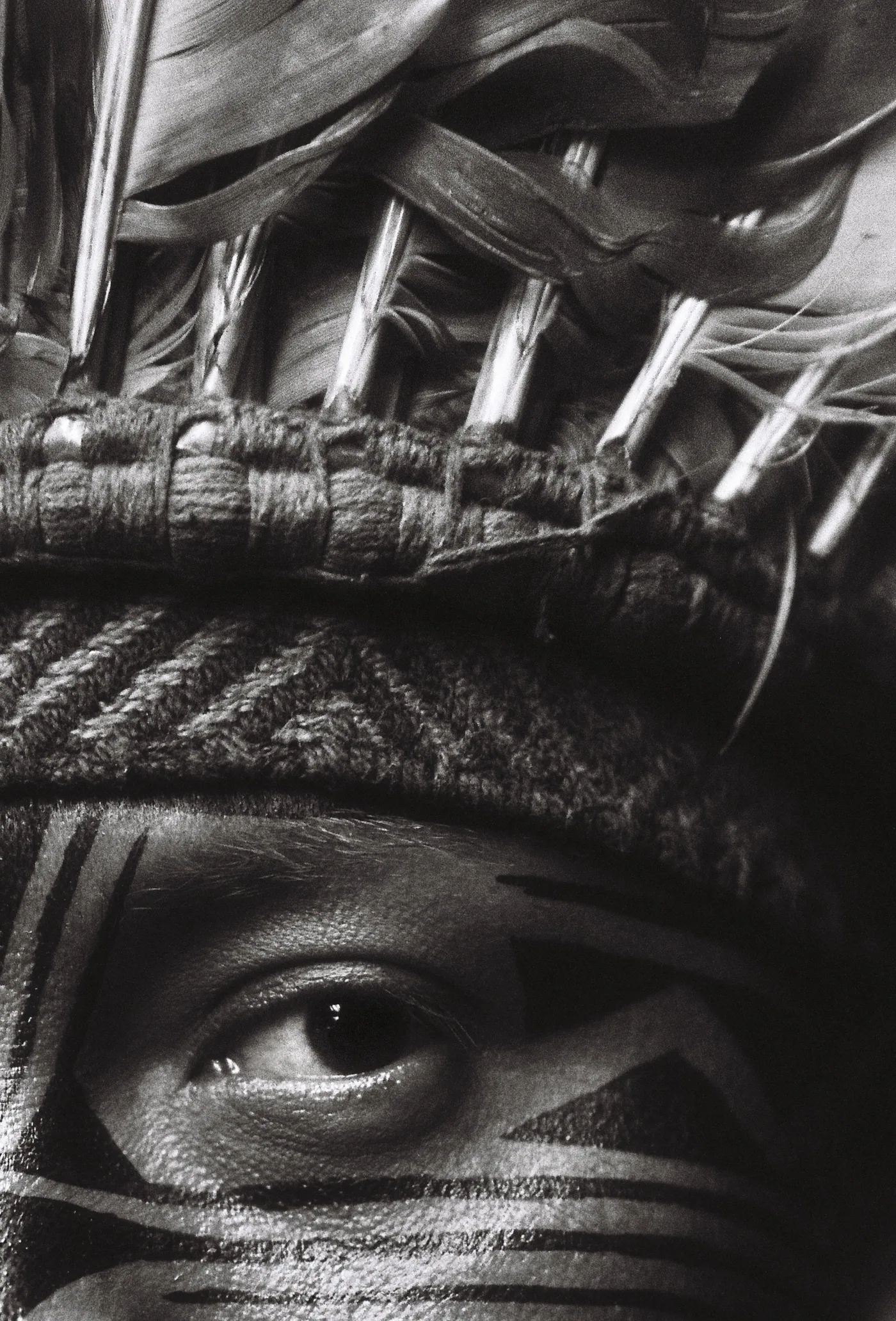
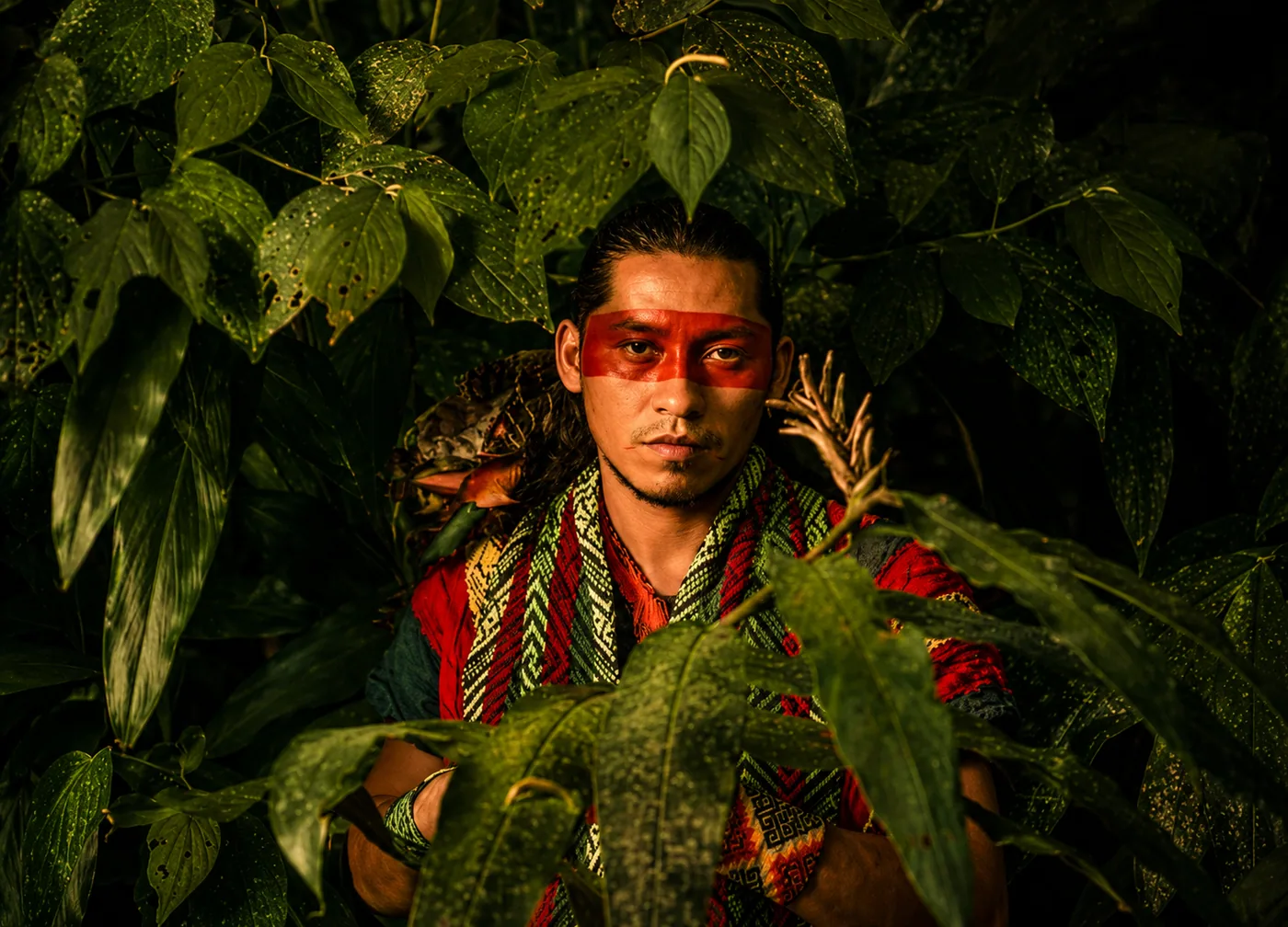
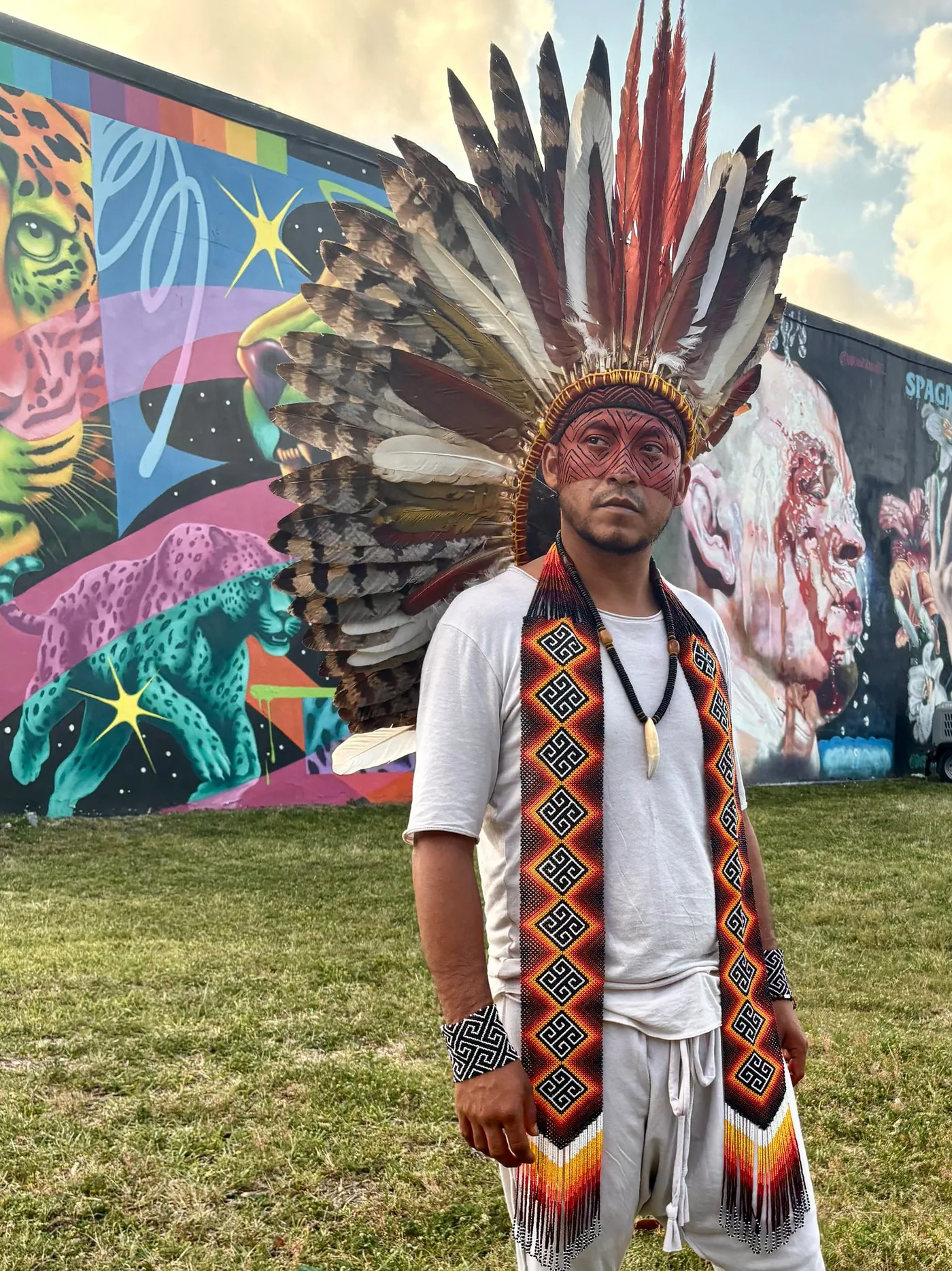
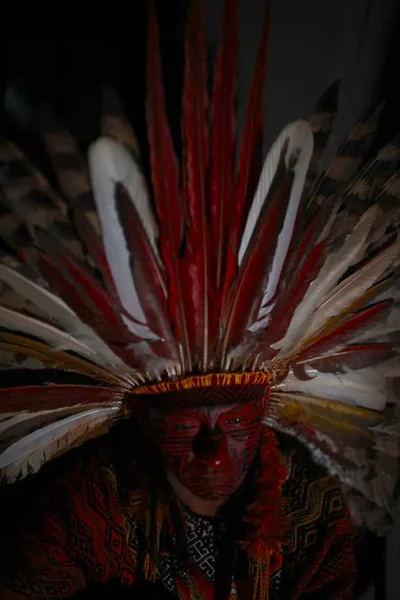
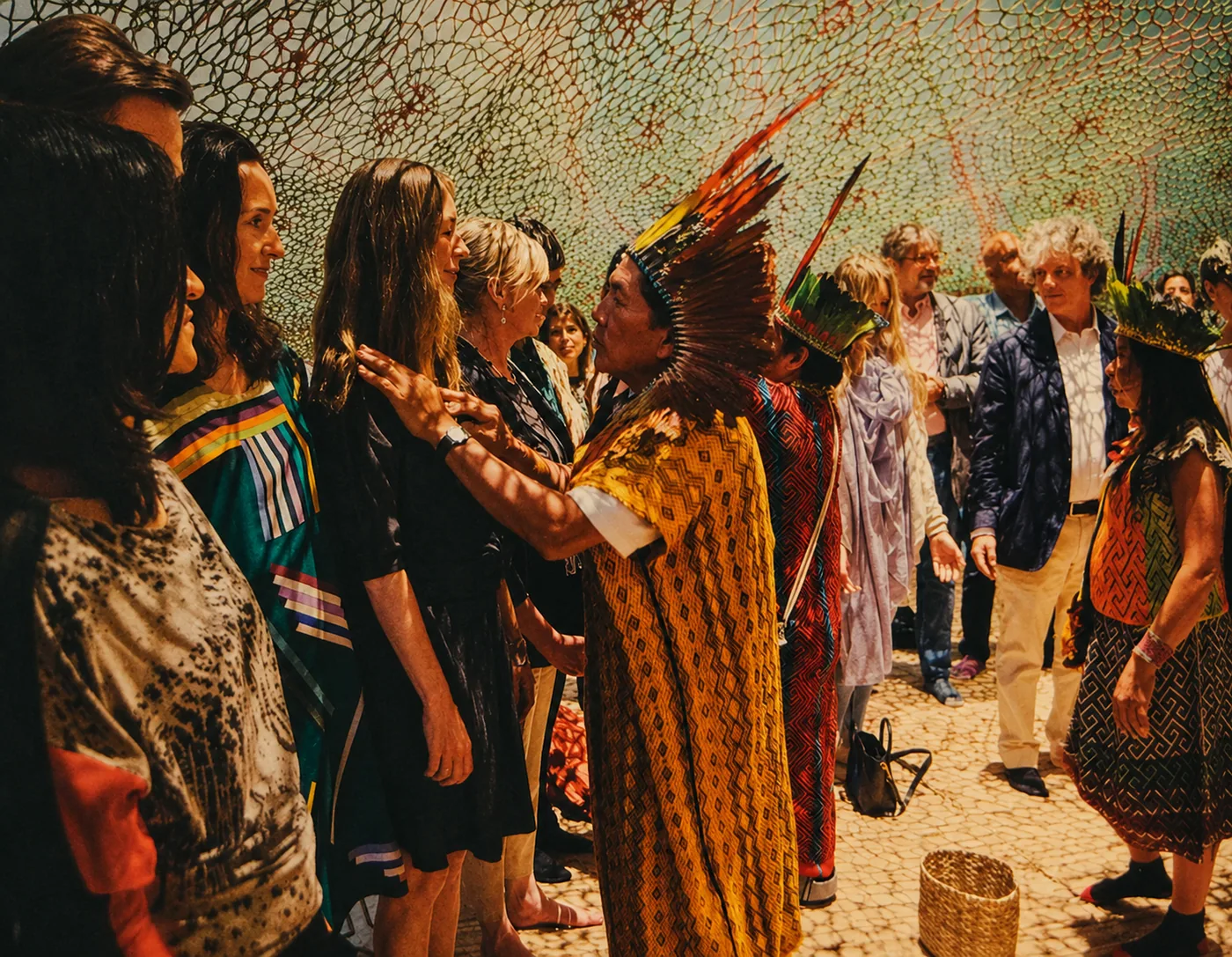
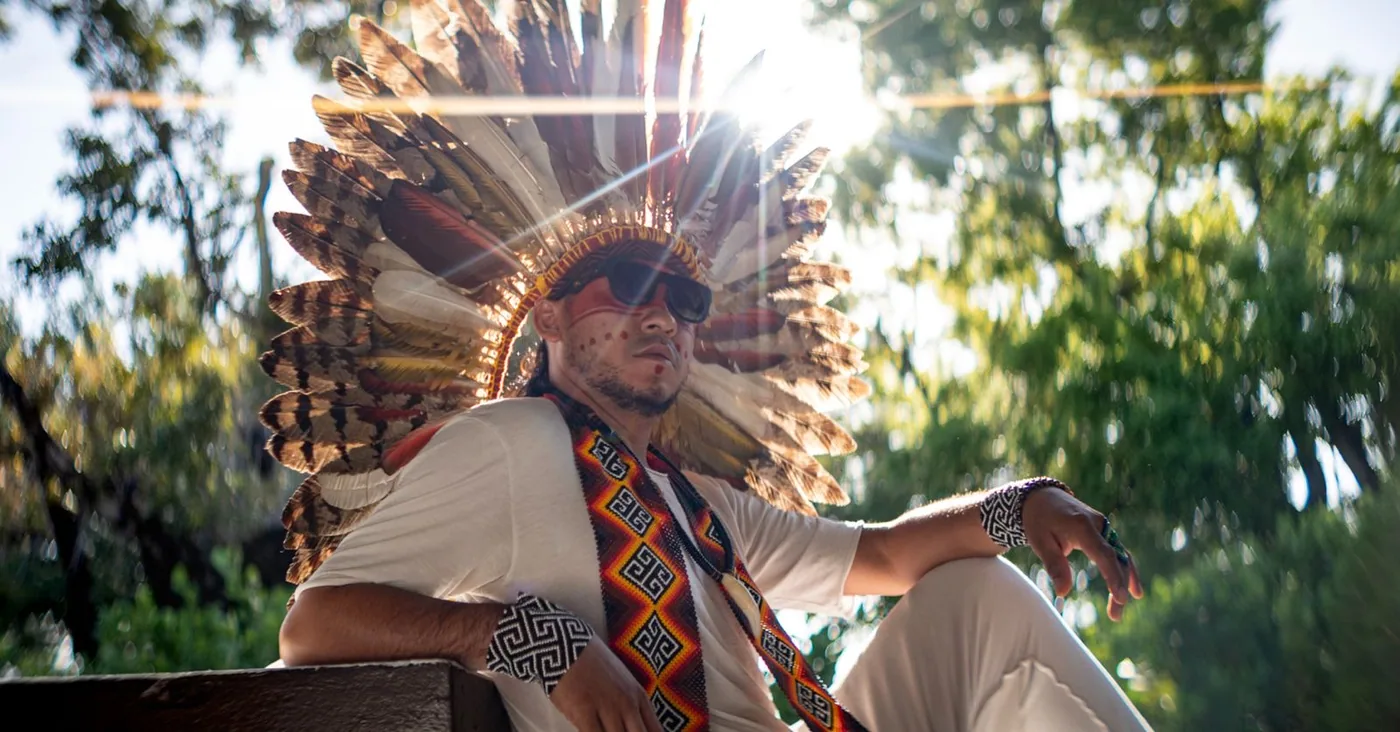
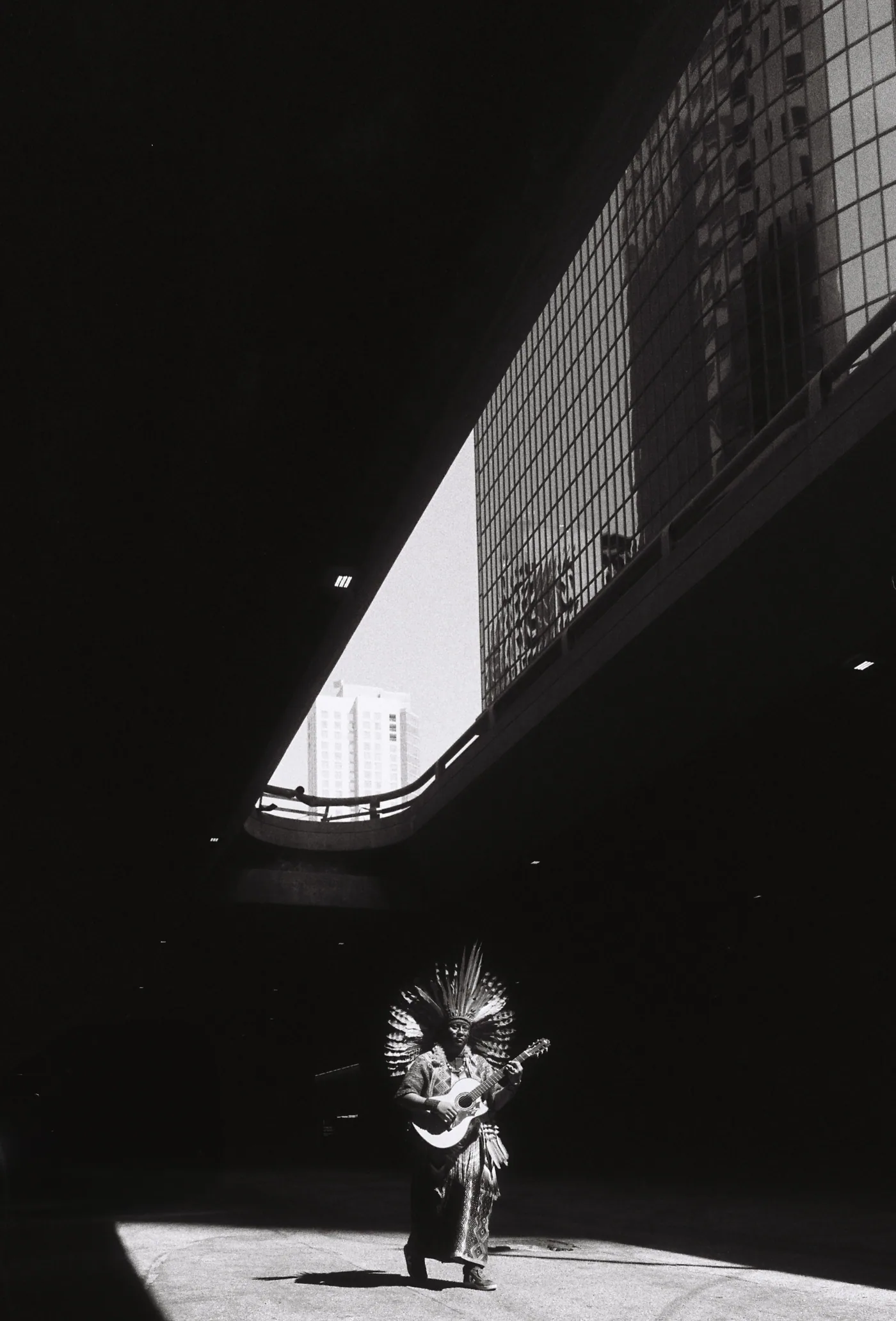
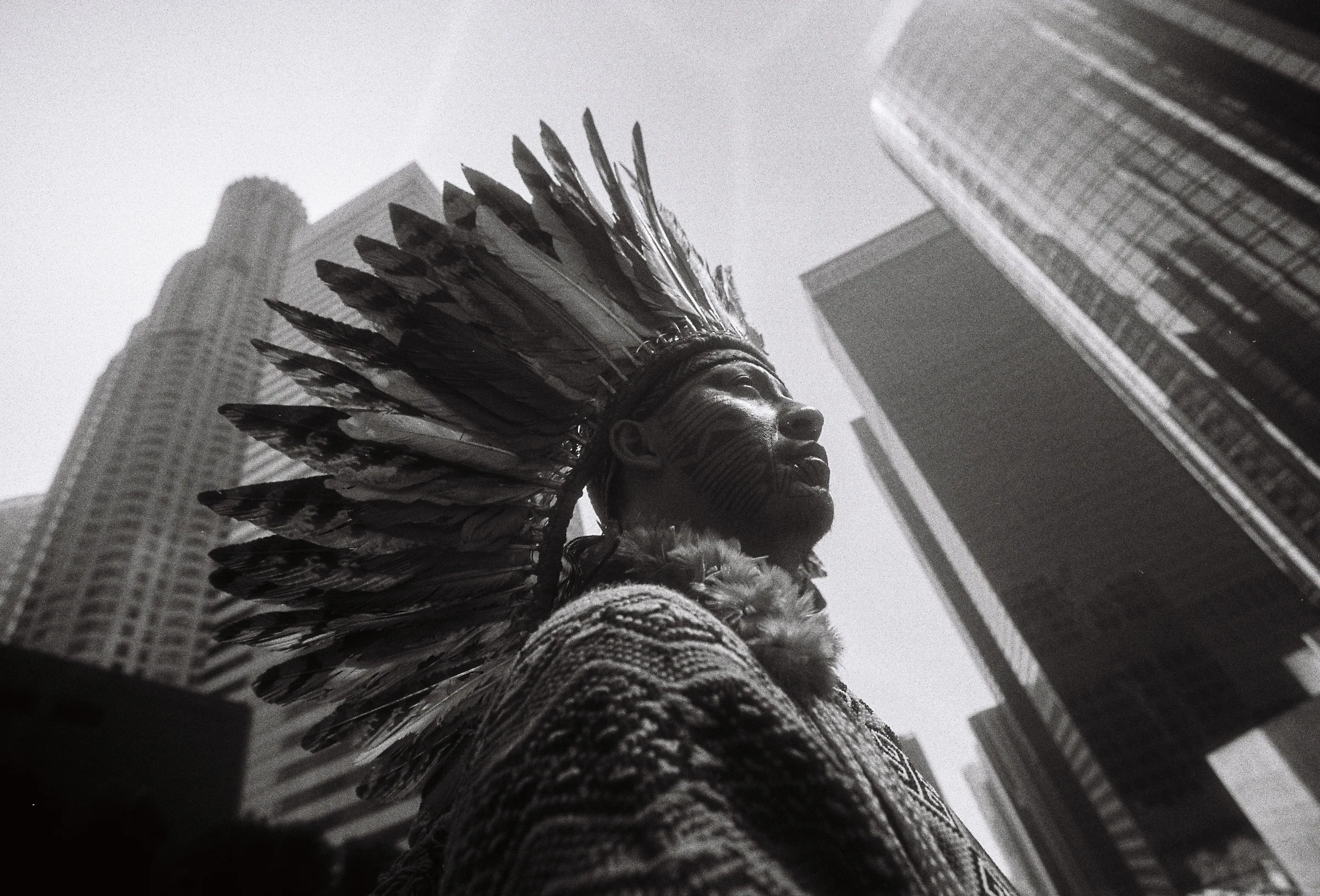
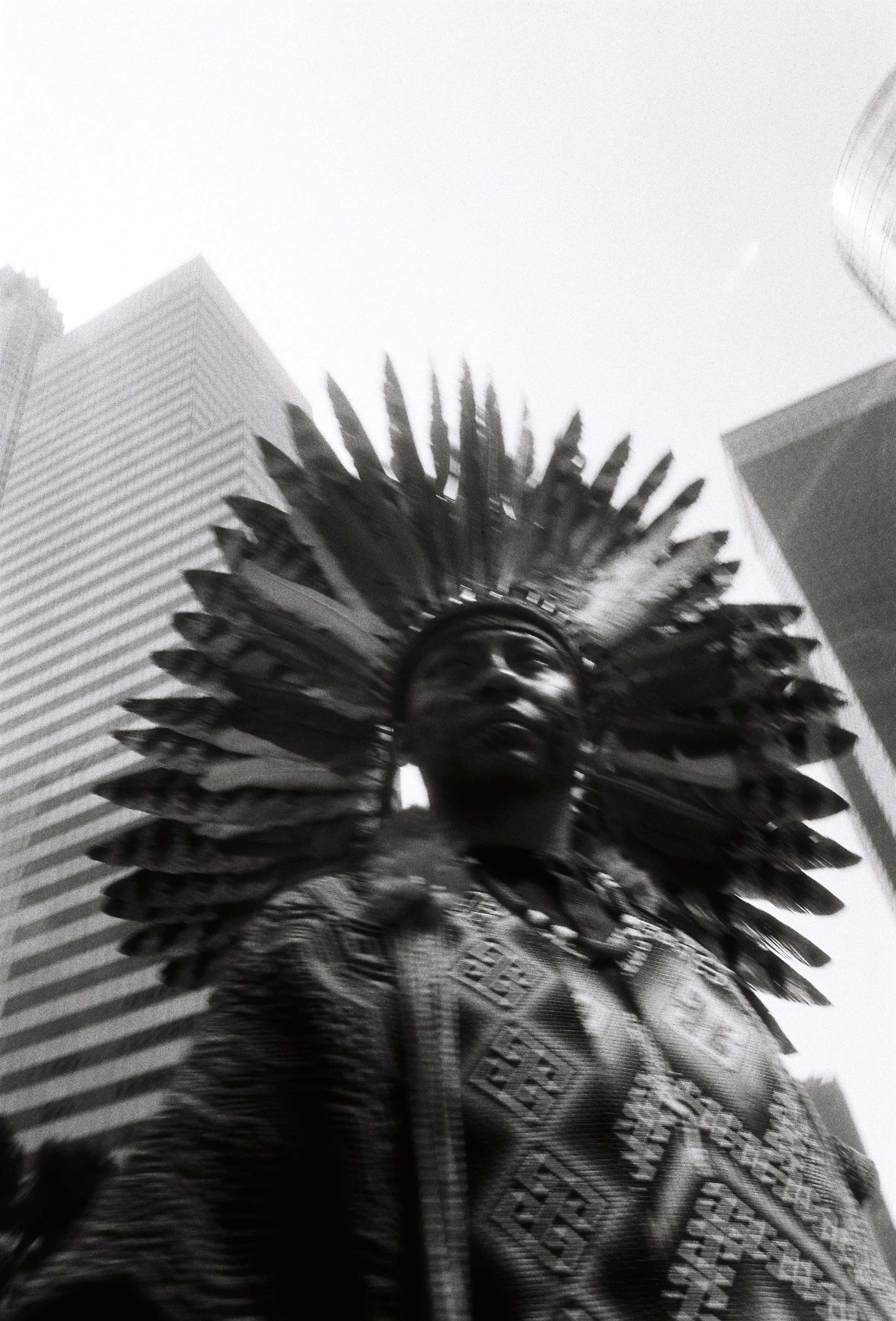
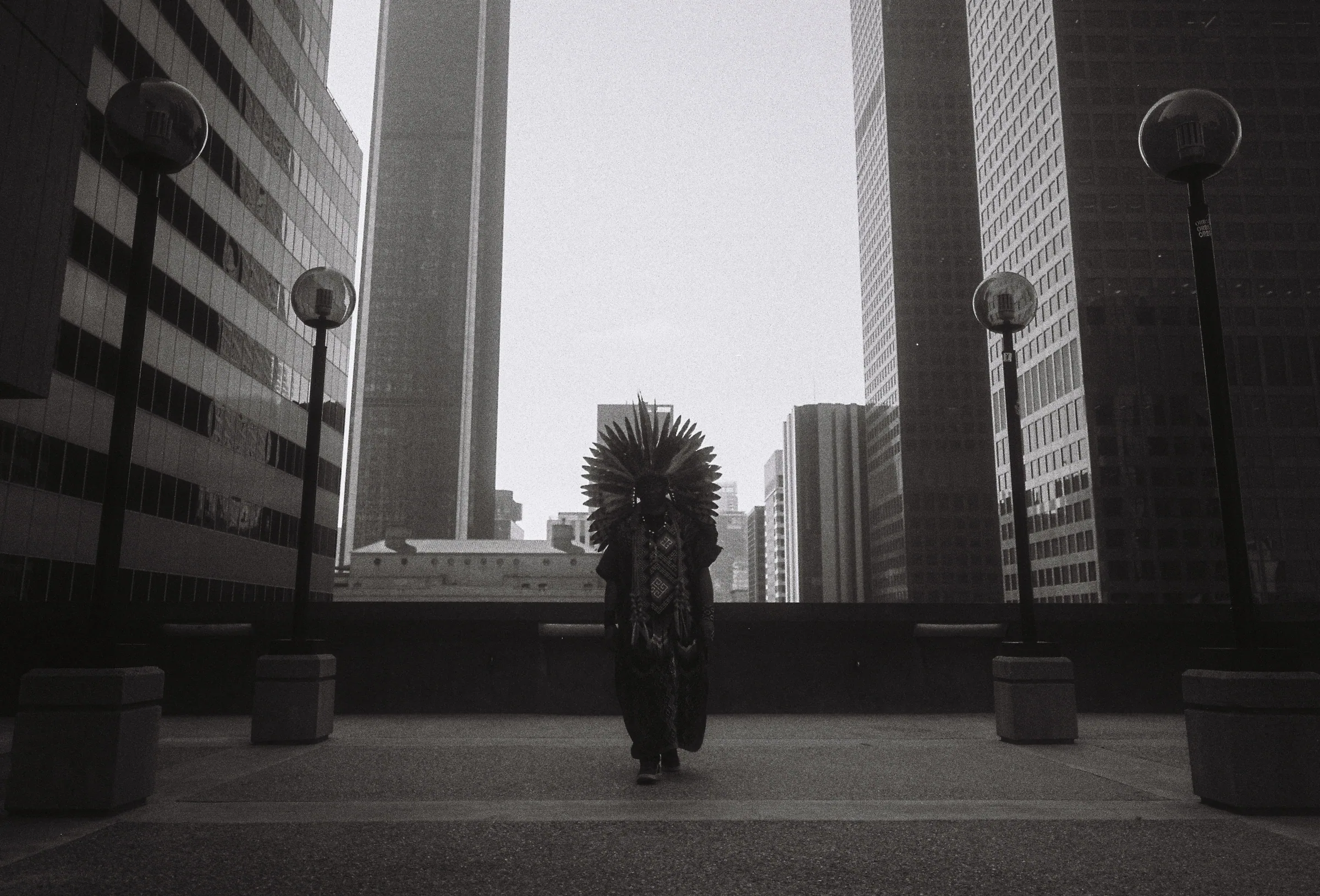
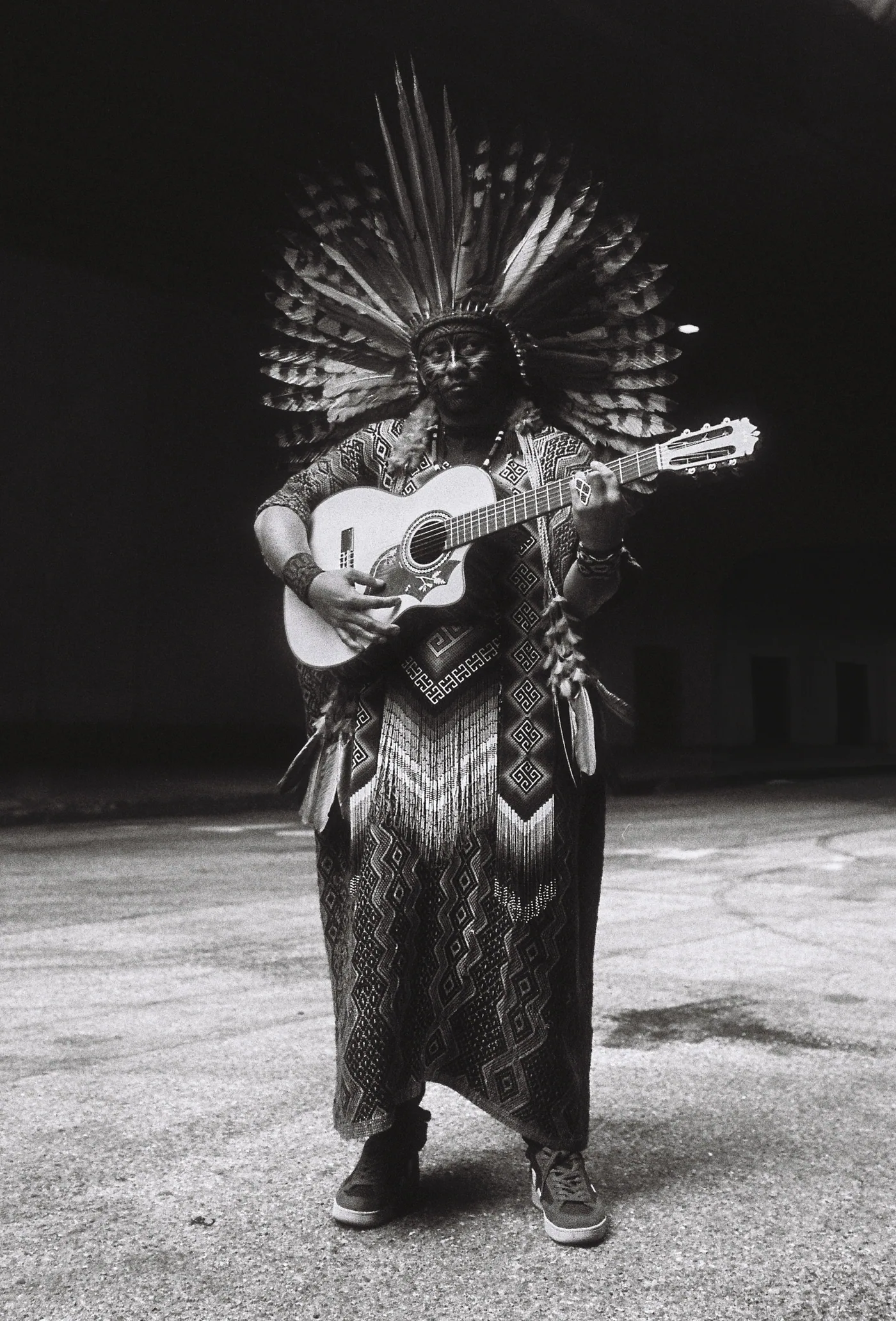
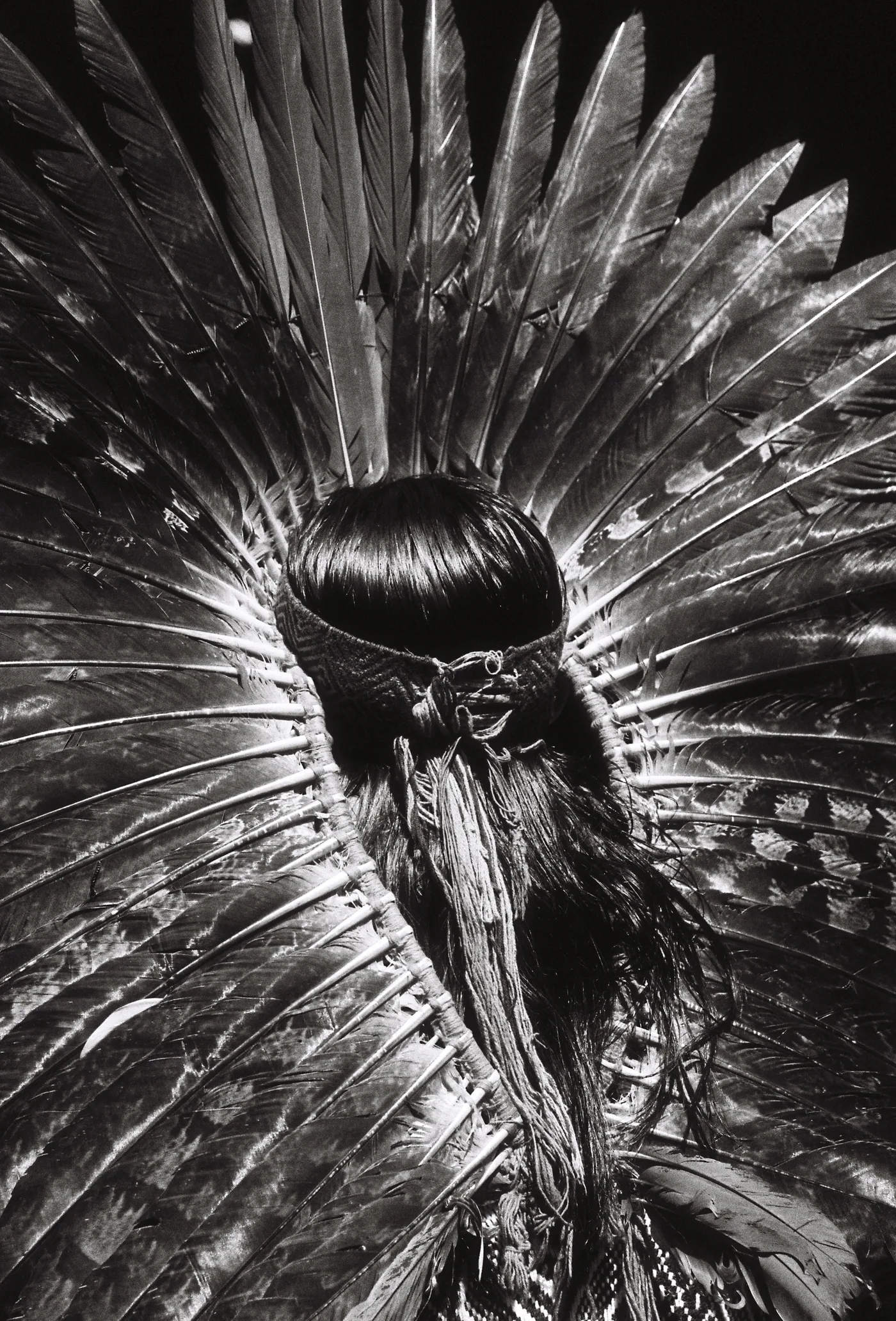
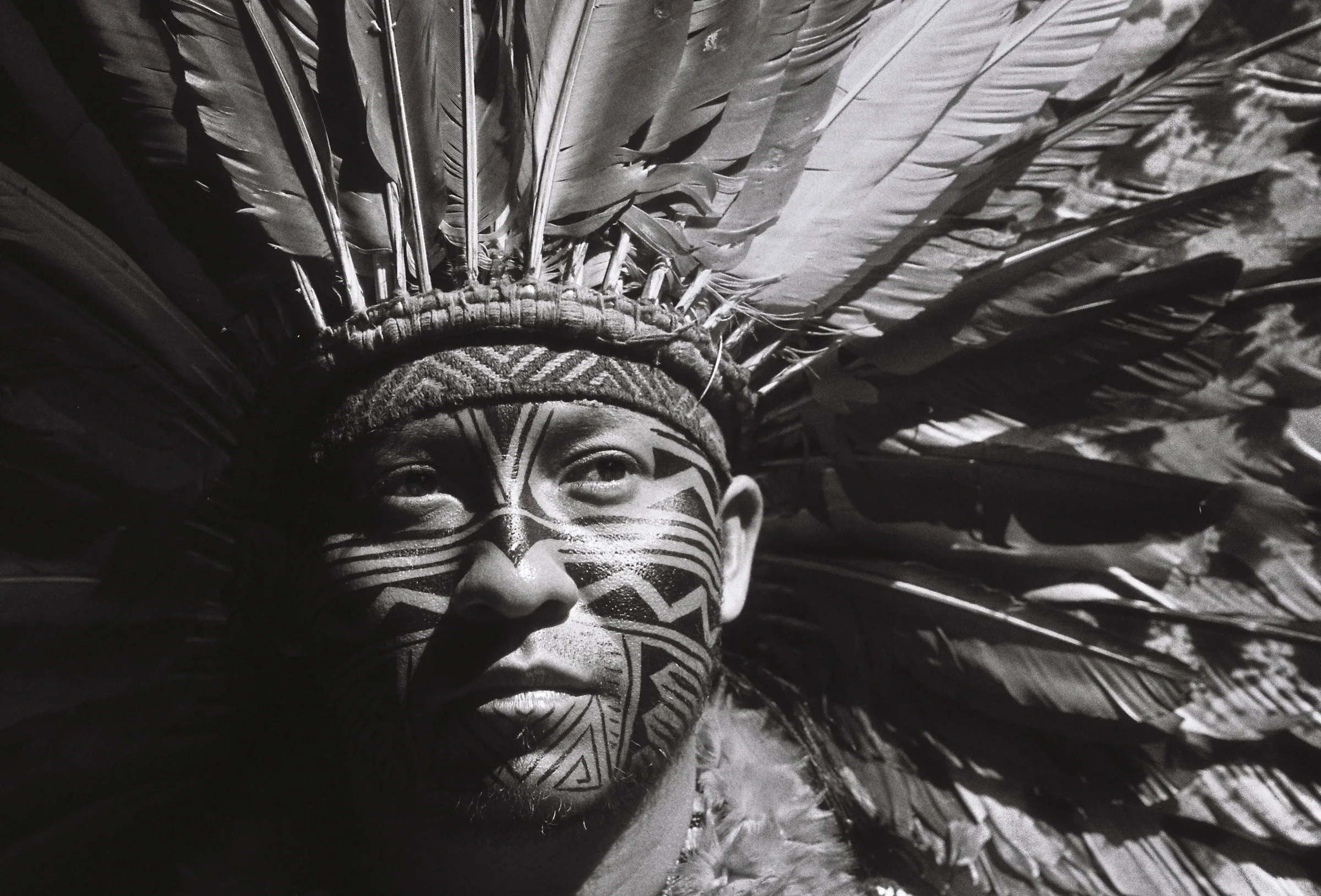
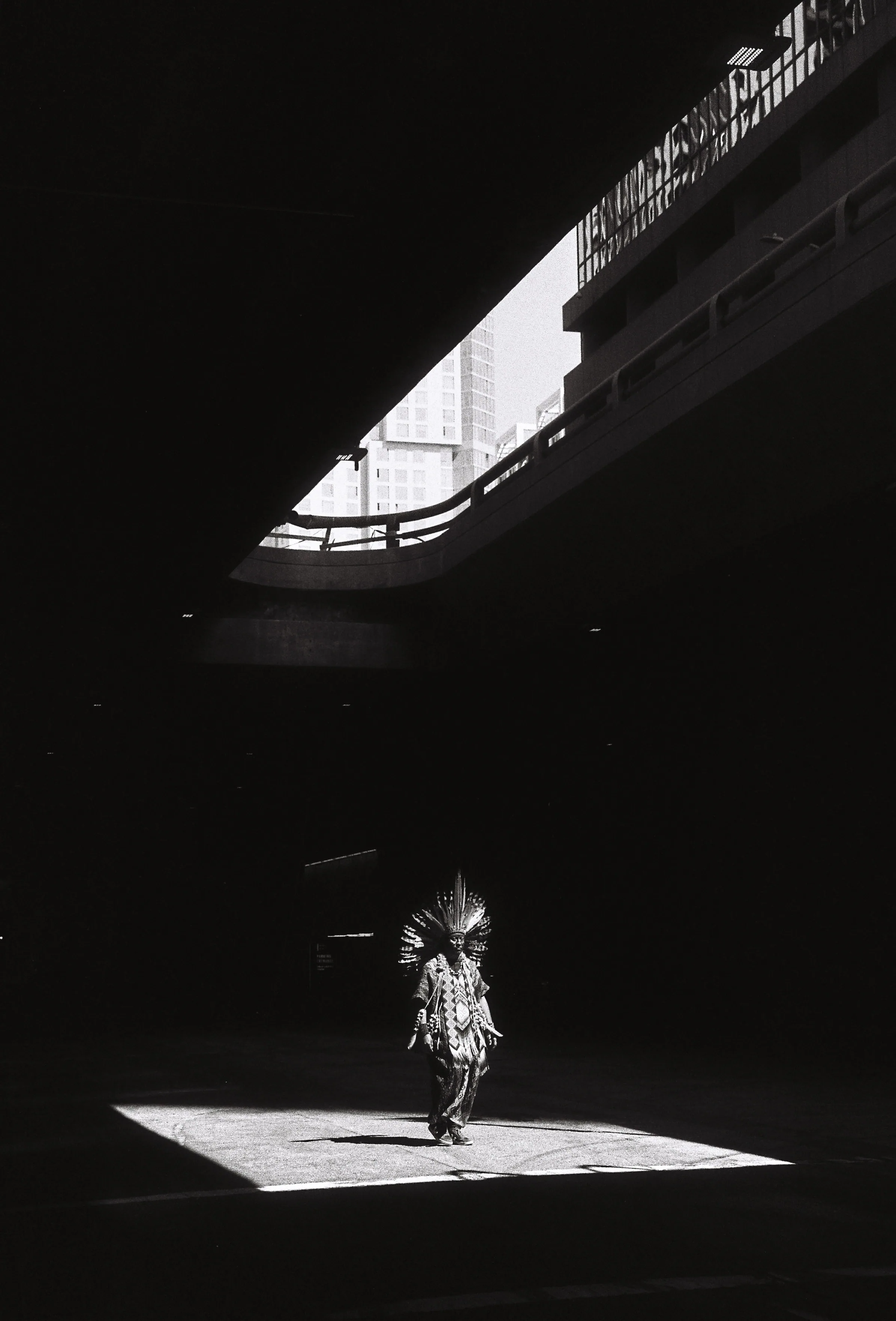
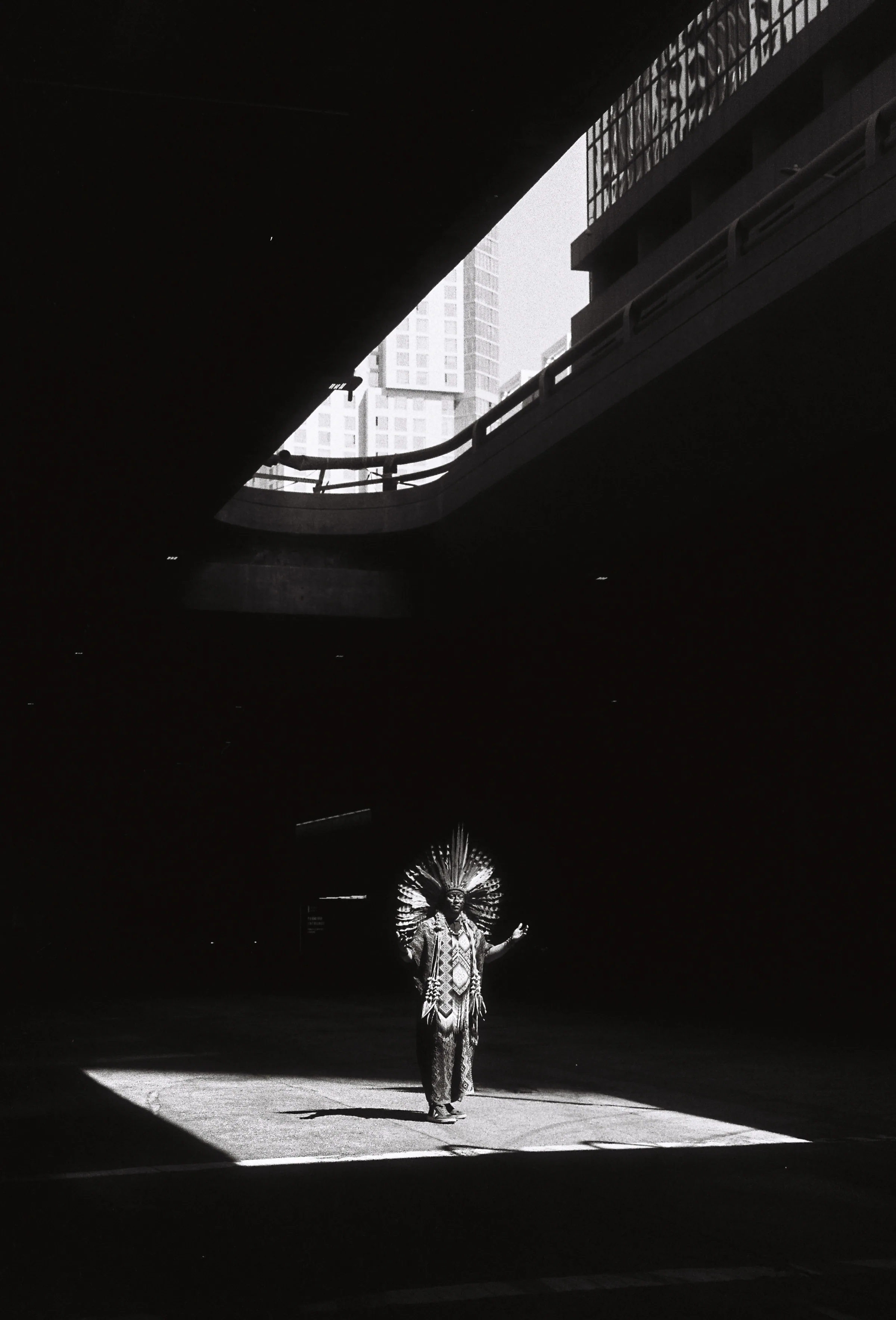
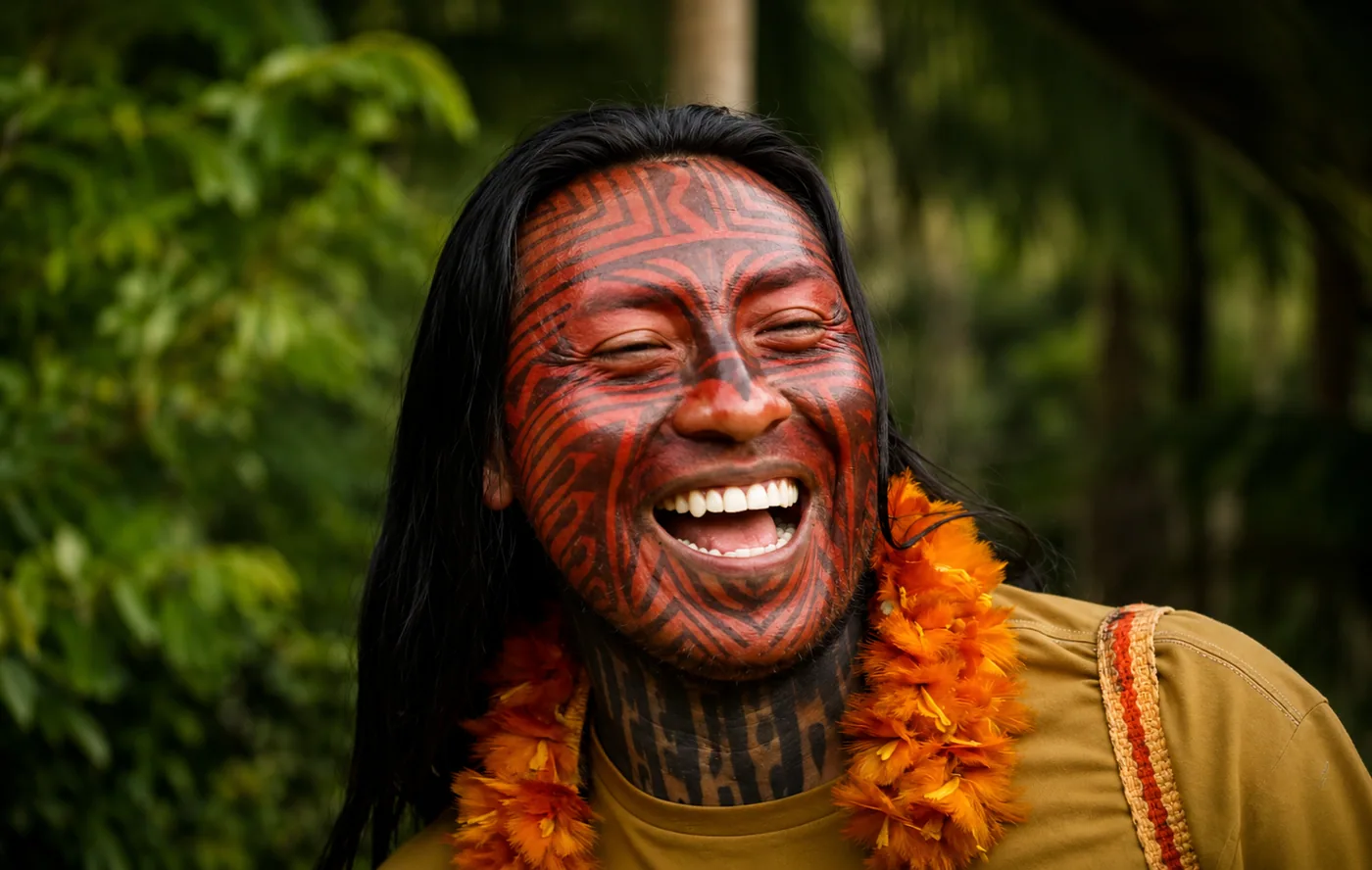
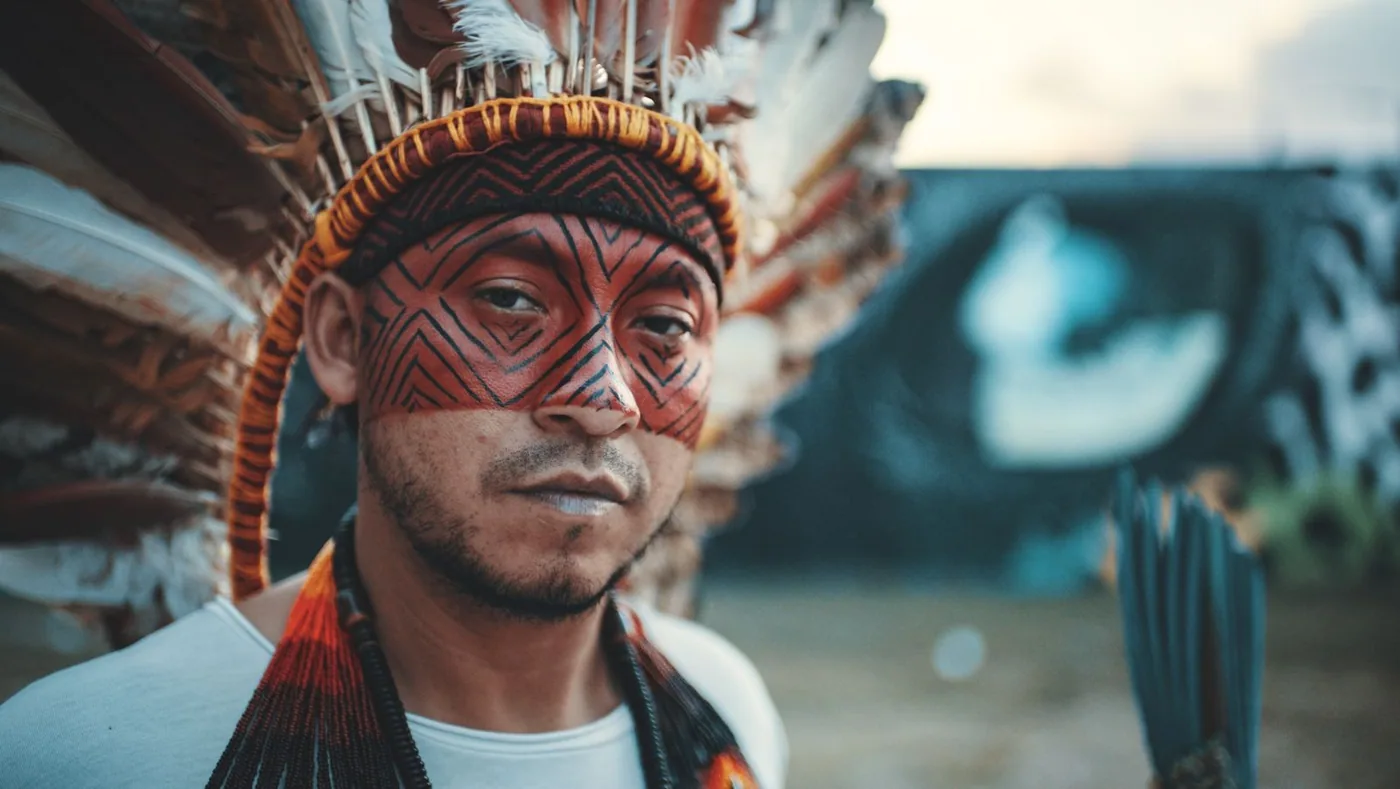
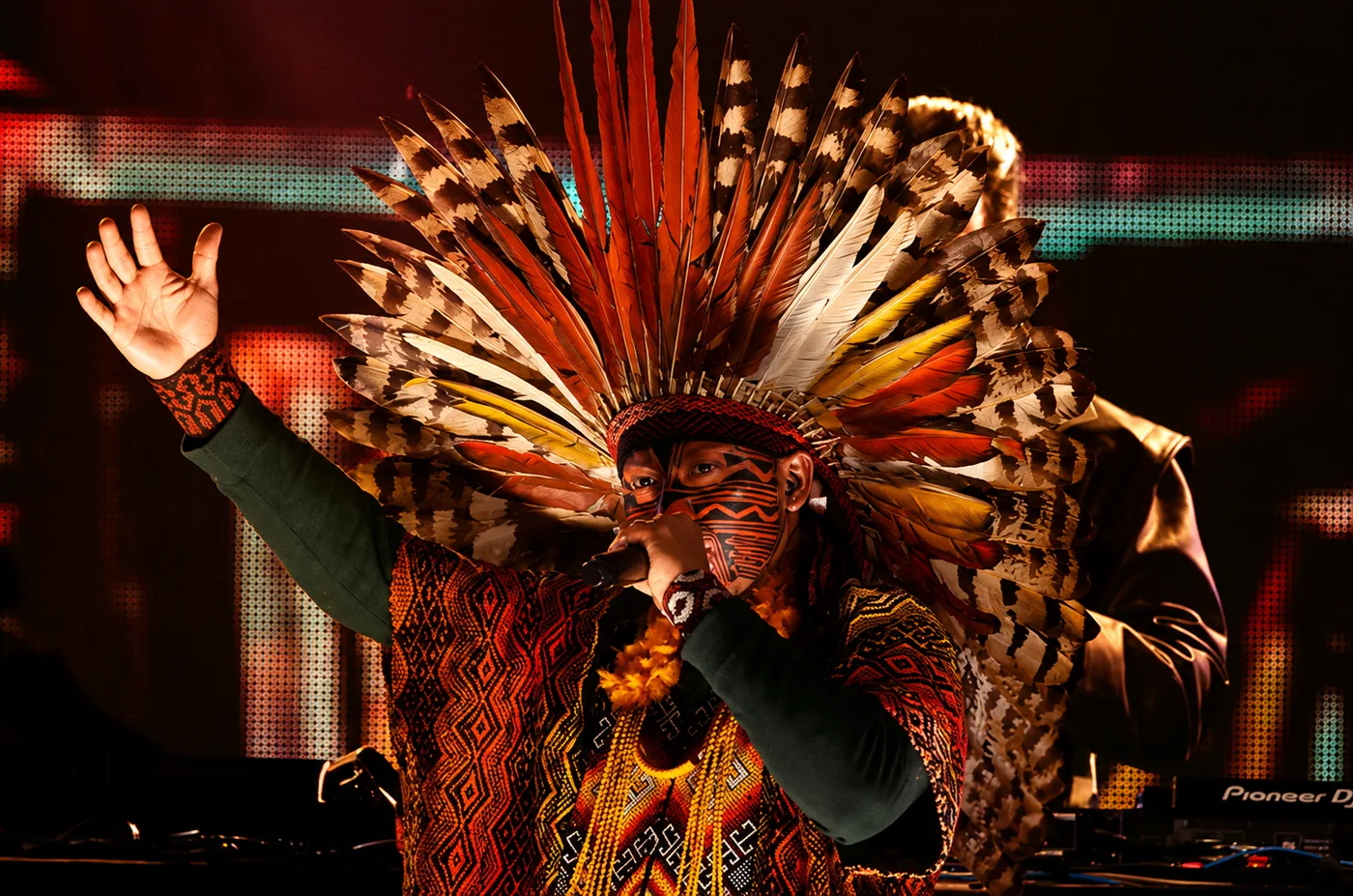
Mapu Huni Kuin was born on 13 December 1988 in the Kaxinawá Ashaninka do Rio Breu Indigenous Land, between Marechal Thaumaturgo and Jordão, in Acre, on the border with Peru. According to his own family, his grandfather — then the spiritual leader of the Huni Kuin people — recognised while his mother was still pregnant that he would be the community’s next spiritual leader. His training began at six: medicinal plants, chants, the sacred medicine of Nixi Pae, and connection with ancestry. He had no formal education; as he often says, his learning came from the forest. He became cacique in 2009.
In 2012 he left the village seeking education and a way to help his people. He passed through Cruzeiro do Sul, Rio Branco, Brasília and Curitiba, where he recorded his first sacred prayers and posted them on YouTube — it was through those videos that DJ Alok found him.
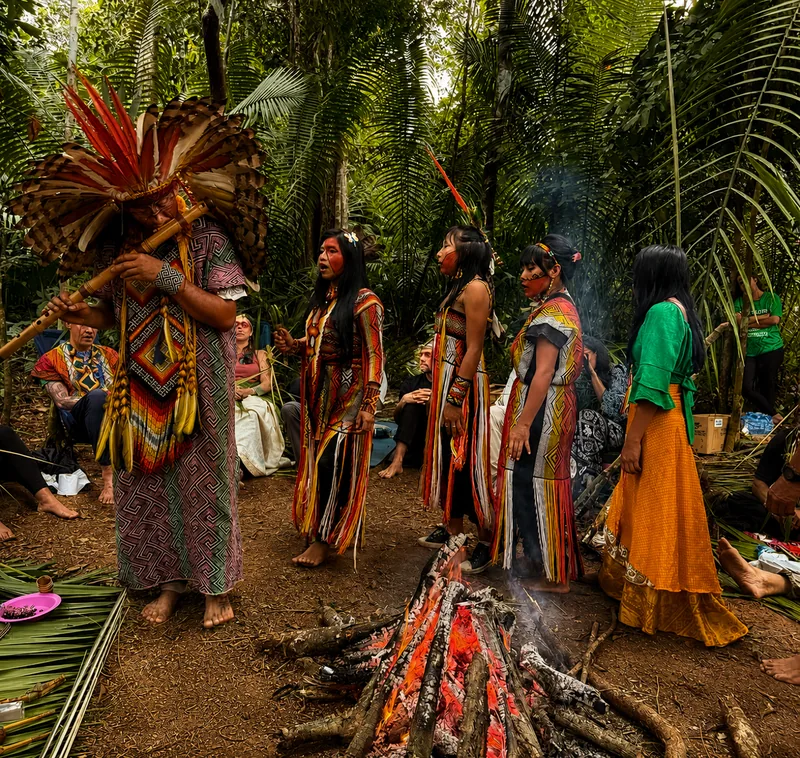
In August 2015, with the cultural producer Mirna Rosário, he founded the Huwã Karu Yuxibu Centre at km 36 of the Transacreana road in Rio Branco. The Centre grew out of a political reading of his own: demarcated land belongs to the State and may be disposed of by government in the future, so he bought 11 hectares with money earned as a singer and actor. In 2023 he acquired a further 2,450 hectares of preserved reserve. Today the Centre shelters 42 families, around 210 people, and runs the Piti Kuin restaurant — the first serving traditional Huni Kuin food in Rio Branco — along with vegetable gardens, fish and chicken farming, a prayer house, and a reforestation programme that planted eleven thousand seedlings in 2024.
In music, he recorded twelve tracks entirely in Hãtxa Kuî on the album Hiri Shubu Keneya Bari Bay, part of the Som Nativo Collection, an initiative connected to UNESCO’s International Decade of Indigenous Languages, with contributions from Praful, the Flow & Friends Choir (Switzerland) and other international musicians. He took part in The Future is Ancestral, DJ Alok’s first album of original work, recorded with more than sixty artists from eight peoples; the track Pedju Kunumigwe was a finalist at the 2024 Latin Grammy Awards for Best Latin Electronic Music Performance, and he performed at the ceremony in Miami. That same year he appeared on the Global Citizen stage in Central Park, New York.
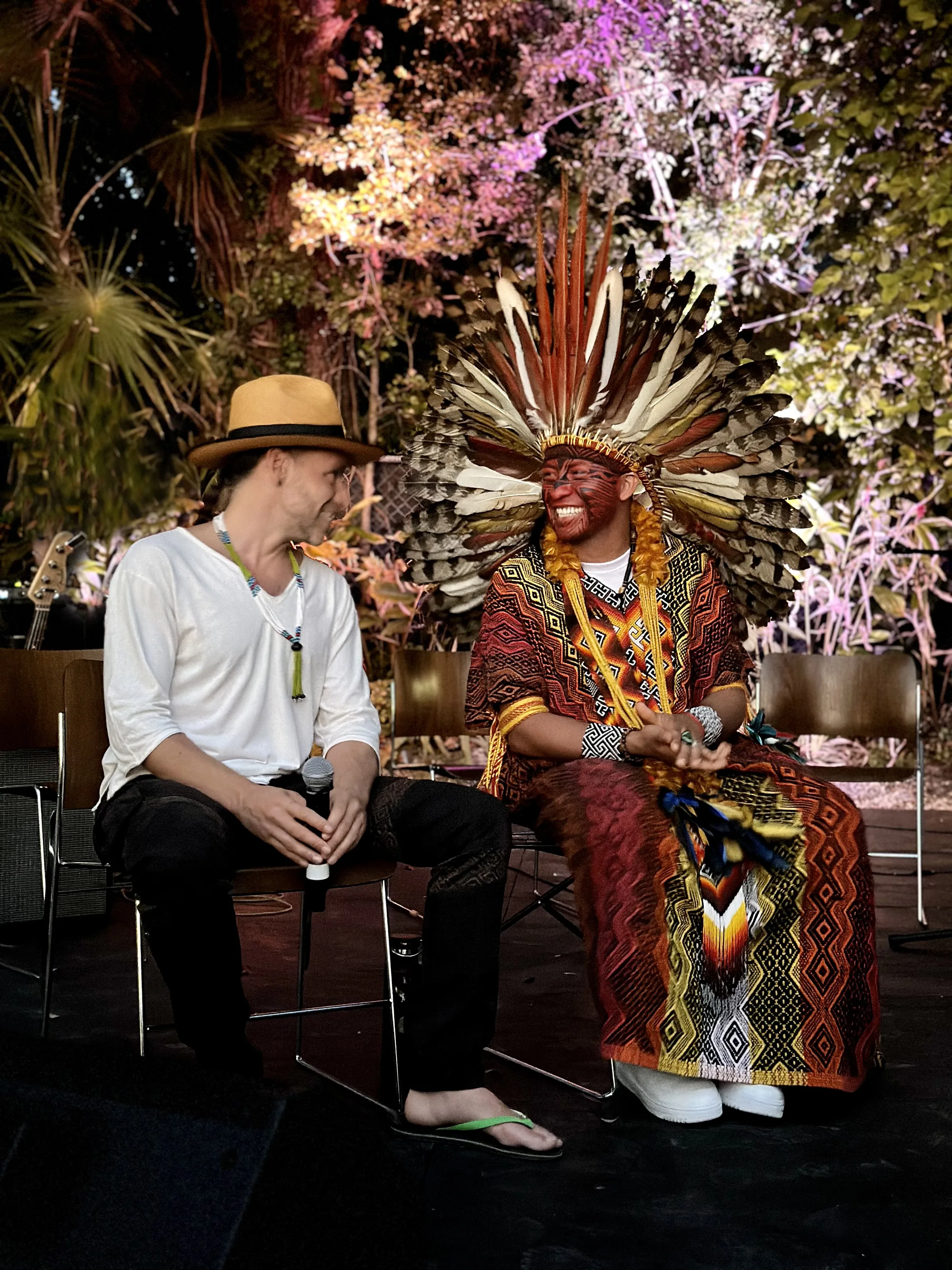
As an actor, he played Raoni Guató in the TV Globo telenovela Terra e Paixão in 2023. He has spoken at the Parliament of the World’s Religions, at the Universität für angewandte Kunst in Vienna and at Brazilian universities, and travelled to Cannes with Brazil’s Minister of Indigenous Peoples, Sonia Guajajara. He argues for the demarcation of Indigenous lands combined with territorial autonomy, opposes the Marco Temporal ruling, and denounces the advance of the timber industry across the Peruvian border. He has eleven children.